Cholerhiasis: Understanding Gallstones and Their Impact on Health

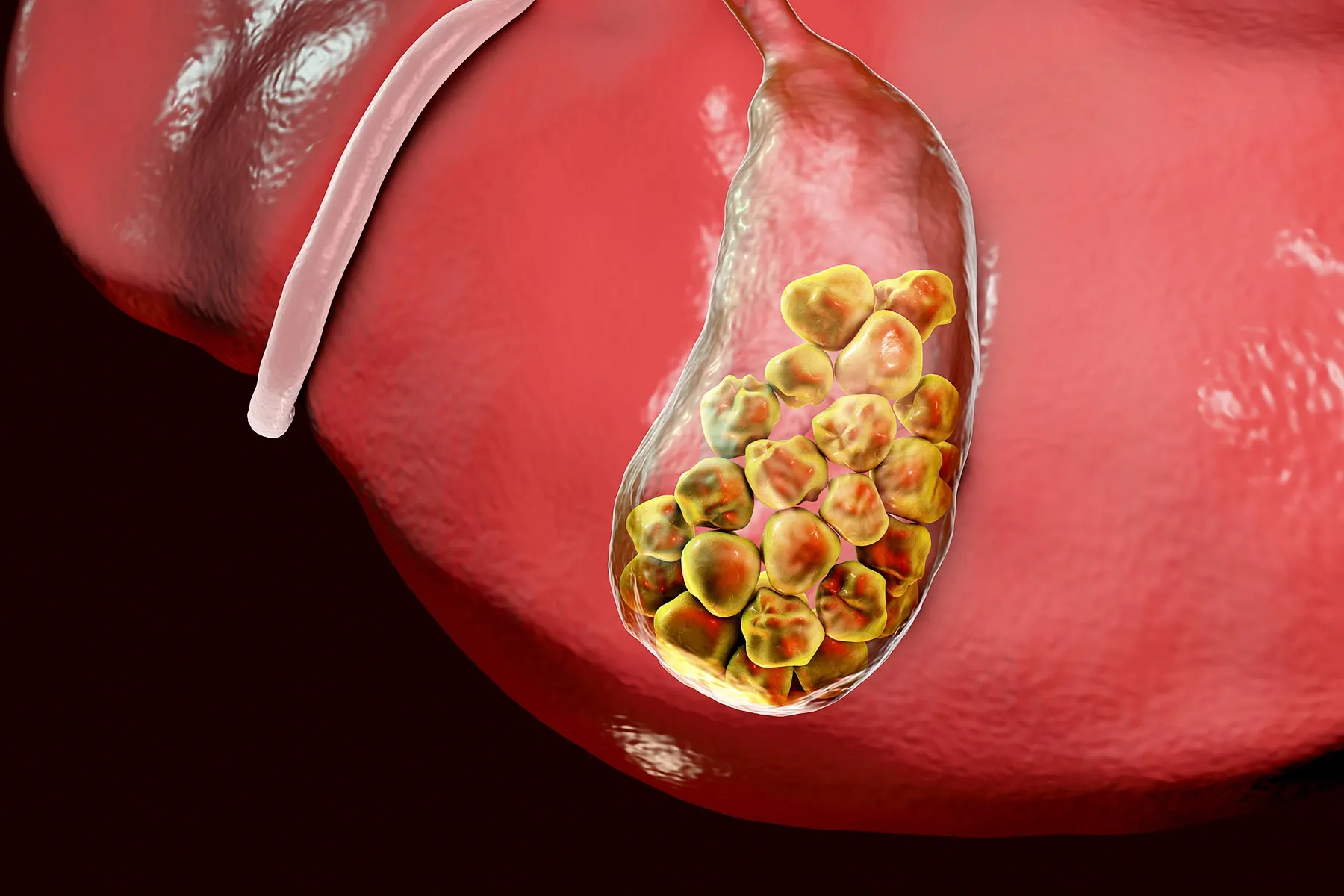
Cholerhiasis, commonly known as gallstones, is a medical condition that affects millions of people worldwide. It occurs when solid particles form in the gallbladder, a small organ located beneath the liver. These stones can vary in size, from tiny grains of sand to large stones as big as a golf ball. While some people may have gallstones without symptoms, others experience significant discomfort and complications.
This comprehensive guide will help you understand cholerhiasis in depth, including its causes, symptoms, diagnosis, treatment options, prevention strategies, and lifestyle adjustments. Whether you are researching for general knowledge or personal health awareness, this article will provide valuable insights.
What Is Cholerhiasis?
Cholerhiasis refers to the formation of gallstones within the gallbladder. The gallbladder stores bile, a digestive fluid produced by the liver that helps break down fats. Gallstones form when bile contains too much cholesterol or bilirubin, or when the gallbladder does not empty properly.
There are two main types of gallstones:
-
Cholesterol stones – The most common type, usually yellow-green in color
-
Pigment stones – Smaller, darker stones made of bilirubin
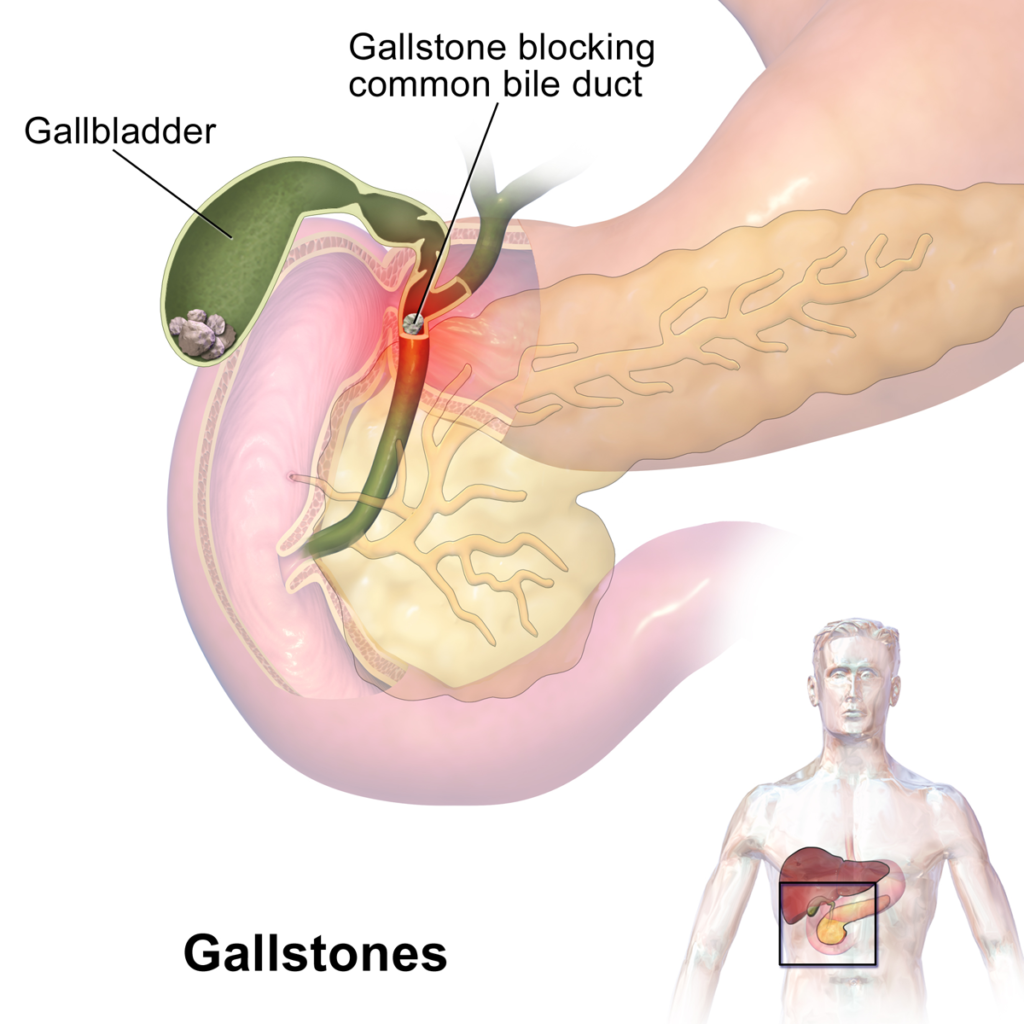
Gallstones can remain in the gallbladder or move into bile ducts, potentially causing serious complications.
How the Gallbladder Works
To better understand cholerhiasis, it’s important to know how the gallbladder functions. The gallbladder stores bile and releases it into the small intestine when you eat fatty foods. This process helps with digestion.
When bile becomes imbalanced or stagnant, solid particles can form. Over time, these particles grow and develop into gallstones.
Causes of Cholerhiasis
Several factors contribute to gallstone formation:
1. Excess Cholesterol in Bile
If bile contains too much cholesterol, it can crystallize and form stones.
2. High Bilirubin Levels
Conditions like liver disease or blood disorders increase bilirubin, leading to pigment stones.
3. Incomplete Gallbladder Emptying
When the gallbladder doesn’t empty fully, bile becomes concentrated, increasing stone formation risk.
4. Genetics
Family history plays a role in gallstone development.
5. Hormonal Changes
Pregnancy and hormone therapy can increase cholesterol levels in bile.
6. Rapid Weight Loss
Crash dieting causes the liver to release more cholesterol.
7. Obesity
Excess body weight increases cholesterol in bile. Veganov Trichy
Risk Factors
Certain individuals are more prone to developing cholerhiasis:
-
Age over 40
-
Female gender
-
Pregnancy
-
Obesity
-
Diabetes
-
Sedentary lifestyle
-
High-fat diet
-
Family history
Symptoms of Cholerhiasis
Many people have gallstones without symptoms. This is known as “silent gallstones.” However, when symptoms appear, they may include:
-
Severe pain in the upper right abdomen
-
Pain between the shoulder blades
-
Nausea and vomiting
-
Bloating
-
Indigestion
-
Fatty food intolerance
-
Dark urine
-
Pale stools
-
Fever (in case of infection)
Pain episodes are often called gallbladder attacks and may last from minutes to hours.
Complications of Cholerhiasis
If untreated, gallstones can cause serious complications:
1. Cholecystitis
Inflammation of the gallbladder.
2. Bile Duct Blockage
Gallstones can obstruct bile flow.
3. Pancreatitis
Inflammation of the pancreas caused by blocked bile ducts.
4. Gallbladder Infection
Can lead to fever and severe pain.
5. Gallbladder Rupture
A rare but life-threatening condition.
Diagnosis of Cholerhiasis
Doctors use several methods to diagnose gallstones:
-
Ultrasound – Most common and accurate
-
CT scan – Provides detailed imaging
-
MRI – Useful for bile duct stones
-
Blood tests – Check for infection and liver issues
-
Endoscopic ultrasound – Detects small stones
Treatment Options
Treatment depends on symptom severity.
1. Watchful Waiting
If asymptomatic, no treatment may be needed.
2. Medications
Certain drugs dissolve cholesterol stones, but this takes months or years.
3. Surgery (Cholecystectomy)
Removal of the gallbladder is the most common treatment.
Types of surgery:
-
Laparoscopic surgery (minimally invasive)
-
Open surgery (for complex cases)
Living without a gallbladder is possible because bile flows directly into the intestine.
Recovery After Gallbladder Surgery
Most patients recover within a few weeks. Common recovery tips:
-
Eat small meals
-
Avoid fatty foods
-
Stay hydrated
-
Follow doctor’s advice
-
Gradually resume activities
Lifestyle Changes for Managing Cholerhiasis
Adopting healthy habits reduces risk:
-
Eat a balanced diet
-
Maintain healthy weight
-
Exercise regularly
-
Drink plenty of water
-
Avoid crash diets
Diet Recommendations
Foods to Eat
-
Fruits and vegetables
-
Whole grains
-
Lean proteins
-
Low-fat dairy
-
Healthy fats (olive oil)
Foods to Avoid
-
Fried foods
-
Processed meats
-
High-fat dairy
-
Sugary foods
-
Refined carbs
Natural Remedies and Prevention
While medical treatment is essential, lifestyle choices help prevent gallstones:
-
Gradual weight loss
-
Fiber-rich foods
-
Healthy fats in moderation
-
Regular physical activity
Always consult a doctor before using herbal remedies.
Cholerhiasis in Pregnancy
Pregnant women are at higher risk due to hormonal changes. Symptoms should be evaluated promptly to prevent complications.
When to See a Doctor
Seek medical attention if you experience:
-
Severe abdominal pain
-
Fever
-
Yellow skin or eyes
-
Persistent nausea
-
Dark urine
Living with Cholerhiasis
Many people manage gallstones successfully through diet and lifestyle changes. After gallbladder removal, most lead normal lives without complications.
Psychological Impact
Chronic pain can affect mental health. Support from family, doctors, and counseling helps manage emotional stress.
Myths About Gallstones
-
Only obese people get gallstones (false)
-
Surgery is always required (false)
-
Gallstones always cause pain (false)
Advances in Treatment
Modern medicine offers:
-
Minimally invasive surgery
-
Improved imaging techniques
-
Faster recovery times
FAQs
1. What is cholerhiasis?
Cholerhiasis is the medical term for gallstones.
2. Are gallstones dangerous?
They can be harmless but may cause serious complications if untreated.
3. What causes gallstones?
High cholesterol, bilirubin, and poor gallbladder emptying.
4. Can gallstones dissolve naturally?
Small cholesterol stones may dissolve with medication.
5. Is surgery the only option?
No, asymptomatic stones may not require treatment.
6. Can I live without a gallbladder?
Yes, digestion continues normally.
7. What foods cause gallstones?
High-fat and processed foods increase risk.
8. Are gallstones hereditary?
Yes, genetics play a role.
9. Can stress cause gallstones?
Stress alone doesn’t cause gallstones but affects digestion.
10. How long does gallbladder surgery recovery take?
Usually 1–3 weeks.
11. Can children get gallstones?
Yes, though rare.
12. Can gallstones come back after surgery?
No, once gallbladder is removed.
Conclusion
Cholerhiasis, or gallstones, is a common digestive condition that can range from harmless to severe. Understanding its causes, symptoms, and treatment options empowers individuals to make informed health decisions. While many people live symptom-free, others may require medical intervention to prevent complications.
By adopting a healthy lifestyle, maintaining a balanced diet, and seeking timely medical care, you can significantly reduce your risk of gallstones. Advances in modern medicine have made diagnosis and treatment safer and more effective than ever before.
If you suspect symptoms of cholerhiasis, consult a healthcare professional promptly. Early diagnosis and proper management can improve quality of life and prevent serious health issues. Taking care of your digestive health today can lead to a healthier tomorrow.