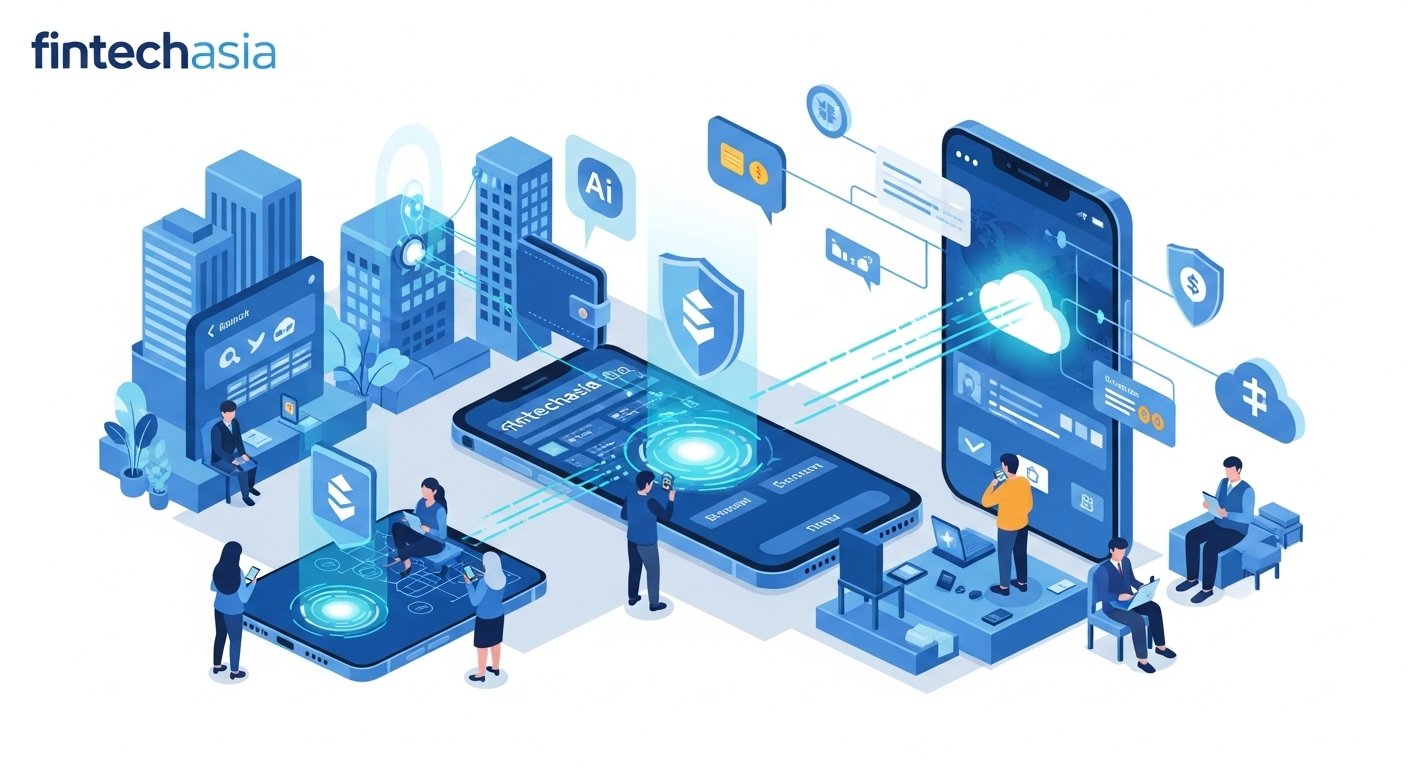
FintechAsia.net Telekom: Transforming Digital Finance and Telecommunications in Asia
Introduction
The convergence of financial technology and telecommunications has become one of the most powerful drivers of economic transformation across Asia. Platforms that bridge these two massive industries are redefining how individuals and businesses interact with money, digital services, and connectivity. Among emerging digital ecosystems, fintech and telecom integration models are gaining rapid attention, especially in regions where mobile connectivity is the primary gateway to financial access.
FintechAsia.net Telekom represents a concept that blends fintech services with telecom infrastructure to enable seamless digital financial experiences. This approach focuses on creating a unified platform where communication networks and financial services operate together to serve millions of users across diverse markets. As digital adoption accelerates, such platforms are expected to play a crucial role in shaping Asia’s financial future.
This blog explores the significance, technology, benefits, challenges, and future outlook of fintech-telecom integration, particularly through the lens of platforms like FintechAsia.net Telekom.
Understanding Fintech and Telekom Integration
Financial technology, commonly known as fintech, refers to the use of digital tools and platforms to deliver financial services such as payments, lending, insurance, and wealth management. Telecommunications, on the other hand, provides the infrastructure that connects users through mobile networks, data services, and communication channels.
When these two sectors merge, they create powerful ecosystems that allow users to access financial services directly through mobile devices. This integration is particularly important in Asia, where smartphone penetration is high and traditional banking access can be limited in rural areas.
FintechAsia.net Telekom represents this integration by enabling users to perform financial transactions using telecom infrastructure such as mobile numbers, SIM authentication, and network-based identity verification.
The Rise of Mobile-Driven Financial Ecosystems in Asia
Asia has become one of the fastest-growing fintech markets globally. Several factors contribute to this growth:
Rapid smartphone adoption
Expanding mobile internet coverage
Large unbanked and underbanked populations
Government support for digital payments
Growing e-commerce markets
Telecom operators already have massive customer bases, billing systems, and identity verification capabilities. When these are combined with fintech platforms, they create powerful financial distribution channels that can reach millions instantly.
FintechAsia.net Telekom leverages these advantages to deliver mobile-first financial services designed for modern digital consumers.
Core Services Offered by FintechAsia.net Telekom Platforms
Mobile Wallet Integration
Mobile wallets allow users to store money digitally and perform transactions such as payments, transfers, and bill settlements. Telecom integration makes wallet access easier through mobile number authentication and SIM-based security.
Digital Payments
From online shopping to utility bill payments, integrated fintech-telecom platforms enable seamless transaction processing. These systems reduce reliance on physical cash and improve transaction speed.
Micro-Lending and Credit Services
Telecom data such as usage patterns and payment history can help create alternative credit scoring models. This allows fintech platforms to provide loans to users who lack traditional banking history.
Insurance Distribution
Micro-insurance products can be distributed through telecom channels, allowing users to enroll using their mobile devices.
Cross-Border Remittances
Fintech-telecom integration makes international money transfers faster and more affordable, especially for migrant workers sending money home.
Technology Behind FintechAsia.net Telekom
Cloud Infrastructure
Cloud computing enables scalability, allowing fintech platforms to handle millions of transactions simultaneously without downtime.
Artificial Intelligence and Data Analytics
AI helps analyze user behavior, detect fraud, and personalize financial services based on user needs.
Blockchain and Secure Transactions
Blockchain technology enhances transparency and security in financial transactions, reducing fraud risks.
API-Based Banking Integration
Application programming interfaces allow fintech platforms to connect with banks, payment processors, and telecom networks seamlessly.
Benefits of Fintech-Telekom Ecosystems
Financial Inclusion
Millions of people without bank accounts can access financial services using only mobile phones.
Cost Efficiency
Digital transactions reduce operational costs compared to traditional banking systems.
Convenience
Users can manage finances anytime, anywhere through mobile devices.
Faster Transactions
Real-time payments improve customer experience and business efficiency.
Enhanced Security
Multi-layer authentication using telecom and fintech technologies improves security standards.
Role in Emerging Economies
In many Asian countries, traditional banking infrastructure is still developing. Fintech-telecom integration fills this gap by providing digital financial services through mobile networks.
For small businesses, these platforms offer payment solutions, micro-loans, and financial management tools. For consumers, they provide affordable financial access without requiring physical bank visits.
Challenges Facing FintechAsia.net Telekom Models
Regulatory Complexity
Different countries have different financial and telecom regulations, making cross-border expansion challenging.
Cybersecurity Risks
Digital financial platforms are prime targets for cybercriminals. Continuous investment in security infrastructure is essential.
Data Privacy Concerns
Handling large volumes of user data requires strict privacy protection policies.
Infrastructure Gaps
While urban areas have strong connectivity, rural regions may still face network limitations.
Future Trends in Fintech and Telecom Convergence
5G-Powered Financial Services
Faster networks will enable real-time financial applications such as instant loan approvals and advanced fraud detection.
Embedded Finance
Financial services will be integrated directly into telecom apps, messaging platforms, and digital ecosystems.
Digital Identity Systems
Telecom-based digital identity verification will simplify onboarding for financial services.
AI-Powered Financial Assistants
Smart assistants will help users manage spending, savings, and investments automatically.
FintechAsia.net Telekom and the Digital Economy
Platforms like FintechAsia.net Telekom contribute to the digital economy by enabling cashless transactions, supporting e-commerce, and encouraging digital entrepreneurship.
They also help governments track financial flows, reduce corruption, and improve tax compliance through digital transaction records.
Impact on Businesses and Startups
For startups, fintech-telecom ecosystems provide ready-made infrastructure to build financial products quickly. Businesses benefit from integrated payment solutions and customer financing options.
Small merchants can accept digital payments without expensive point-of-sale systems, using only mobile devices.
Security and Trust in Fintech-Telekom Systems
Security is the backbone of digital finance. FintechAsia.net Telekom platforms typically use:
Biometric authentication
SIM-based verification
Multi-factor authentication
End-to-end encryption
Real-time fraud monitoring
Building user trust is essential for long-term adoption.
How Consumers Benefit from FintechAsia.net Telekom
Consumers gain access to faster payments, easier loan access, digital savings tools, and financial education resources. Mobile-based financial tools also help users track spending and manage budgets more effectively.
Opportunities for Investors
The fintech-telecom integration sector presents strong investment opportunities due to:
Rapid digital adoption
High mobile usage rates
Growing digital payment markets
Government support for financial inclusion
Investors are increasingly focusing on platforms that combine telecom distribution with fintech innovation.
The Road Ahead
The future of fintech and telecom integration looks promising. As digital adoption grows, platforms like FintechAsia.net Telekom will likely expand into new services such as digital wealth management, advanced lending solutions, and decentralized finance integration.
Frequently Asked Questions (FAQs)
1. What is FintechAsia.net Telekom?
It represents a fintech and telecom integrated platform model providing digital financial services through mobile networks.
2. How does fintech work with telecom services?
Fintech uses telecom infrastructure like mobile networks and SIM authentication to deliver financial services.
3. Is fintech-telecom integration safe?
Yes, when supported by strong encryption, authentication, and cybersecurity systems.
4. Who benefits most from these platforms?
Unbanked populations, small businesses, digital consumers, and startups benefit significantly.
5. Can users access banking services without a bank account?
Yes, many fintech-telecom platforms allow financial transactions without traditional bank accounts.
6. How do telecom companies support fintech?
They provide customer reach, identity verification, billing infrastructure, and network connectivity.
7. What role does AI play in fintech telecom platforms?
AI helps detect fraud, personalize services, and automate financial processes.
8. Are these platforms available across all Asian countries?
Availability depends on local regulations, telecom partnerships, and financial licensing.
9. How do fintech telecom systems support small businesses?
They offer digital payments, micro-loans, and financial management tools.
10. Will fintech telecom platforms replace traditional banks?
They are more likely to complement banks rather than completely replace them.
11. What is the future of fintech telecom integration?
Future growth will likely include AI automation, blockchain transactions, and embedded financial services.
Conclusion
FintechAsia.net Telekom represents the future direction of digital financial ecosystems where telecommunications and financial technology work together to create accessible, efficient, and secure financial services. As Asia continues its rapid digital transformation, the integration of telecom infrastructure with fintech innovation will play a critical role in shaping financial inclusion, economic growth, and technological advancement.
The coming years will likely witness even deeper collaboration between fintech developers, telecom operators, financial institutions, and governments. This collaboration will not only improve financial accessibility but also empower individuals and businesses with smarter financial tools.
As digital ecosystems evolve, platforms inspired by FintechAsia.net Telekom will continue driving innovation, enabling seamless transactions, and creating a more connected financial world for millions across Asia and beyond. click here