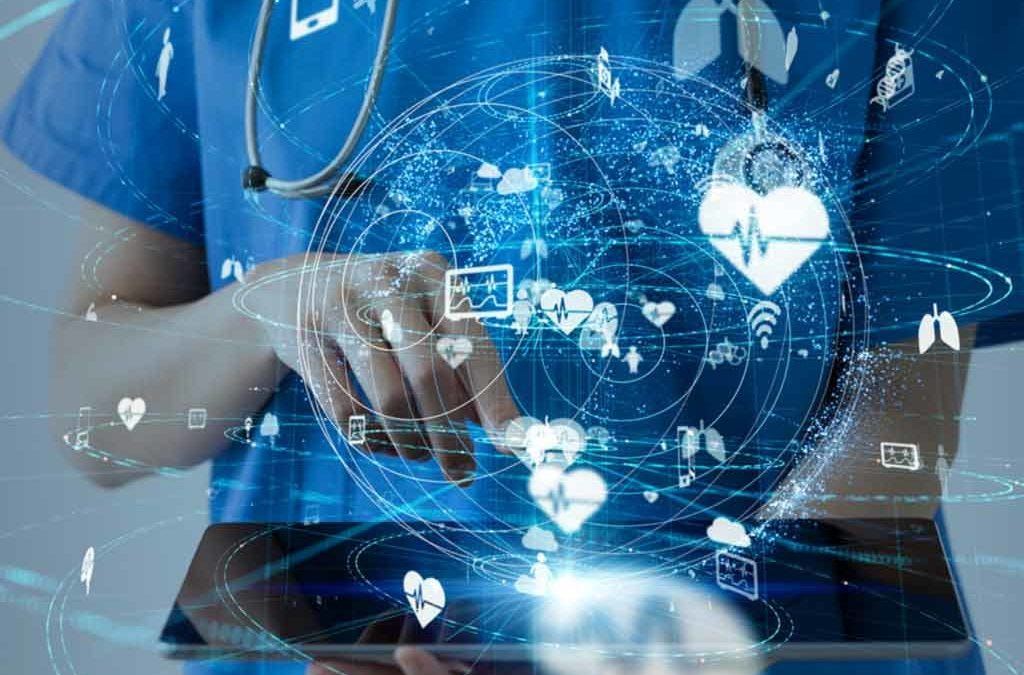
The internet is evolving rapidly, moving beyond simple communication and entertainment into deeper layers of human interaction, data intelligence, and biological integration. Platforms like IOFBodies.com are part of this transformation, representing the intersection of digital identity, body-related data, and advanced technology ecosystems. As society moves toward data-driven personalization, platforms centered around body data and identity tracking are becoming more relevant.
IOFBodies.com is increasingly discussed in digital circles as a concept or platform connected to body data infrastructure, digital identity mapping, and future human-tech integration. Whether viewed as a technology hub, conceptual platform, or emerging digital ecosystem, the idea behind IOFBodies.com reflects how human biological information may interact with digital systems in the coming decades.
In this blog, we will explore what IOFBodies.com represents, its potential applications, technological context, ethical considerations, and why such platforms are becoming important in the modern digital era.
Understanding the Concept Behind IOFBodies.com
IOFBodies.com can be interpreted as a digital environment focusing on body-based data systems. The term itself suggests an “Internet of Bodies” approach, similar to how the Internet of Things (IoT) connects devices. Instead of connecting devices alone, this concept connects biological data to digital networks.
The platform potentially explores areas such as biometric identity systems, wearable device data aggregation, digital health monitoring, and body-based authentication technologies. As wearable devices become more common, the need for centralized ecosystems to manage, analyze, and protect body data grows.
IOFBodies.com may function as an information hub, research portal, or technology framework supporting innovations in bio-digital integration.
The Rise of Body Data in the Digital Economy
Body data is becoming one of the most valuable data categories globally. Unlike browsing habits or shopping behavior, biological data is unique to each individual. This includes heart rate patterns, movement signatures, biometric markers, and even genetic indicators.
Companies and research organizations are increasingly investing in technologies that collect and analyze body data. Fitness trackers, smart watches, medical implants, and biometric scanners are generating massive datasets. Platforms like IOFBodies.com represent the idea of organizing and utilizing this data responsibly and efficiently.
In the future, body data may help shape insurance models, healthcare treatments, personalized fitness plans, and digital identity verification methods.
Digital Identity and Human Authentication
Traditional passwords are becoming outdated. Biometric authentication is replacing them in many sectors. Facial recognition, fingerprint scanning, and voice identification are now mainstream.
IOFBodies.com likely connects with the broader movement toward body-based identity verification. In such systems, a person’s biological markers become their digital identity keys. This reduces fraud risks and improves security efficiency.
Future digital identity systems may rely on multi-layer biometric verification, combining physical traits with behavioral data. This could include typing patterns, walking styles, or heartbeat rhythms.
Healthcare Transformation Through Body Data Platforms
Healthcare is one of the biggest beneficiaries of body-data-focused platforms. Continuous monitoring allows early detection of diseases. Instead of waiting for symptoms, systems can detect abnormal biological patterns and alert users or doctors instantly.
Platforms like IOFBodies.com could support remote healthcare ecosystems, enabling real-time patient monitoring. This is especially useful for chronic disease management, elderly care, and post-surgery recovery monitoring.
Additionally, AI-driven body data analysis may help predict disease risks years before symptoms appear, enabling preventive healthcare strategies.
Wearable Technology and Data Integration
Wearable devices are driving the body data revolution. Smart watches, health rings, and smart clothing collect continuous biological data streams.
However, data fragmentation is a major challenge. Different devices store data separately. A platform like IOFBodies.com could theoretically act as a centralized integration hub, combining data from multiple devices into unified analytics dashboards. visit
Such integration would provide deeper insights into overall health trends and behavioral patterns.
Privacy and Ethical Concerns
With great data comes great responsibility. Body data is extremely sensitive. If misused, it can expose deeply personal information.
Key concerns include data ownership, consent management, surveillance risks, and potential discrimination. For example, if insurance companies accessed raw body data, they could adjust premiums unfairly.
Platforms like IOFBodies.com must prioritize encryption, user consent frameworks, decentralized storage, and transparent data policies.
The Future of Human-Technology Integration
The long-term vision behind Internet-of-Bodies platforms involves seamless human-tech integration. This could include neural interfaces, implantable sensors, and real-time biological feedback systems.
Future digital environments may recognize users instantly through biological signals rather than passwords or devices. This could reshape security, communication, and digital interactions completely.
Economic Opportunities Around Body Data Ecosystems
New industries are emerging around body data analytics. These include digital health startups, biometric security firms, personalized nutrition companies, and mental wellness platforms.
IOFBodies.com reflects how centralized ecosystems may support these industries by offering data infrastructure, analytics tools, and research collaboration opportunities.
Social Impact of Body Data Platforms
Body data platforms could reduce healthcare inequalities by enabling remote monitoring in underserved regions. They could also improve workplace safety by monitoring fatigue and health risks.
However, societal regulations must evolve alongside technology to prevent misuse and ensure ethical data practices.
Challenges Facing Body Data Platforms
Despite strong potential, body data platforms face challenges such as data standardization issues, regulatory compliance, cybersecurity threats, and public trust barriers.
Building trust will be crucial. Users must feel confident that their biological data is safe and used ethically.
Why IOFBodies.com Matters in the Modern Digital Landscape
IOFBodies.com represents the broader shift toward human-centered data ecosystems. Instead of focusing only on devices and software, future digital systems will focus on people themselves — their biology, behavior, and real-time physical states.
This represents a major technological paradigm shift that will likely shape the next phase of digital evolution.
Frequently Asked Questions (FAQs)
1. What is IOFBodies.com?
It appears to be a concept or platform related to body data integration, digital identity, and human-tech ecosystems.
2. Is IOFBodies.com a health platform?
It may relate to health data, but it likely spans multiple areas including identity tech and biometric security.
3. What is Internet of Bodies technology?
It refers to networks connecting biological data and digital systems for monitoring, analysis, and applications.
4. Is body data safe to share online?
It depends on the platform’s security measures, encryption, and privacy policies.
5. How is body data collected?
Through wearables, medical devices, biometric scanners, and implantable sensors.
6. Can body data replace passwords?
In many cases, biometric authentication is already replacing traditional passwords.
7. Will body data improve healthcare?
Yes, it can enable early disease detection and personalized treatment.
8. Who owns body data?
Ideally, individuals should retain ownership, but laws vary by region.
9. Are there risks in body data platforms?
Yes, including privacy breaches, surveillance misuse, and data discrimination risks.
10. Is body data technology the future?
Many experts believe body data integration will play a major role in future digital systems.
11. Can body data help mental health monitoring?
Yes, behavioral and physiological signals can indicate stress or emotional changes.
12. Will governments regulate body data platforms?
Most likely, as data sensitivity increases, stricter regulations are expected.
Conclusion
IOFBodies.com symbolizes the growing importance of body-based data systems in the digital age. As technology moves closer to human biology, platforms focused on body data integration will likely become more common. From healthcare transformation to digital identity evolution, the possibilities are vast.
However, innovation must be balanced with ethical responsibility. Privacy, consent, and security must remain at the center of all body data technologies. If handled correctly, platforms like IOFBodies.com could help create a future where technology enhances human life without compromising personal freedom or data ownership.
The coming decades will likely redefine how humans interact with digital systems, shifting from device-based identity to body-based identity. IOFBodies.com represents a glimpse into that future, where the boundaries between biology and technology continue to blur in meaningful and transformative ways. more blogs