Hugo Bachega Accent: Why His Voice Stands Out and What It Reveals About His Background
Hugo Bachega Accent: Why His Voice Stands Out and What It Reveals About His Background

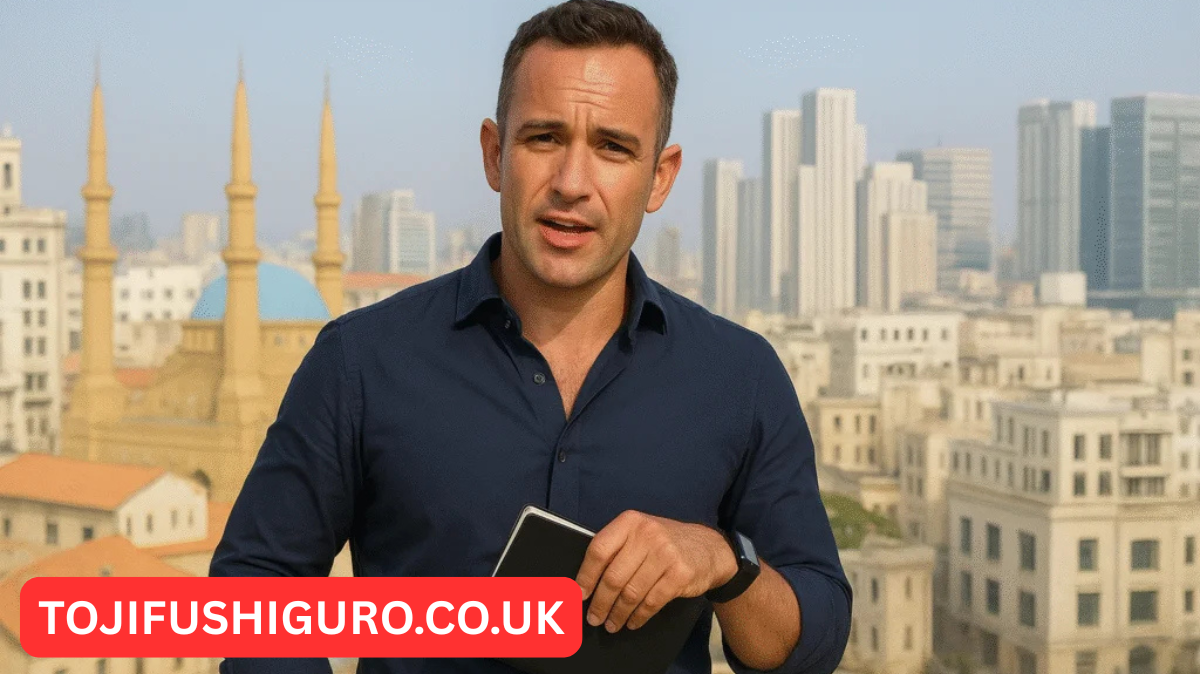
When people search for hugo bachega accent, they’re usually trying to understand one thing: why does he sound the way he does? His voice is distinctive, polished, and globally familiar, yet it doesn’t fit neatly into a single box. That’s exactly what makes it interesting. Hugo Bachega’s accent reflects not just where he comes from, but also the international path his career has taken.
In this article, we’ll take a deep dive into the hugo bachega accent, breaking down its origins, how it developed over time, and why it resonates so strongly with global audiences. Written casually but with an expert lens, this guide explores accent, identity, and professionalism in modern journalism.
Understanding the Roots of the Hugo Bachega Accent
To understand the hugo bachega accent, you first need to understand his background. Hugo Bachega is Brazilian by origin, which means his first exposure to language would have been Brazilian Portuguese. That foundation matters, because early language patterns often influence rhythm, pronunciation, and intonation even when someone becomes fluent in another language later on.
However, when listening to Hugo Bachega speak English, you don’t hear a strong Brazilian accent. Instead, you notice a neutral, internationally polished tone. This suggests years of immersion in English-speaking environments, particularly in professional and academic settings. Accents evolve, and his is a prime example of how language adapts with experience.
Another key factor behind the hugo bachega accent is education. Journalists working at an international level are often trained to speak clearly, slowly, and neutrally. This doesn’t erase their original accent entirely, but it smooths out strong regional markers. Over time, what emerges is an accent that feels familiar to listeners from many different countries.
Why the Hugo Bachega Accent Sounds So Neutral
One of the most common observations about the hugo bachega accent is how neutral it sounds. Many listeners struggle to place it geographically, which is not accidental. In global media, neutrality is often seen as an advantage. It allows the focus to remain on the message rather than the messenger.
Hugo Bachega’s accent sits somewhere between British English and international English. You may hear subtle British influences in pronunciation and sentence flow, likely due to working closely with UK-based media organizations. At the same time, the accent avoids strong regional British markers, making it easier for global audiences to follow.
This kind of accent is sometimes described as “broadcast English.” It’s clear, measured, and accessible. The hugo bachega accent fits perfectly into this category, helping him communicate complex and sensitive topics without distraction. That clarity is especially important in journalism, where credibility and comprehension are everything.
The Role of Career and Media Training in Shaping His Accent
Accents don’t just come from birthplace; they’re shaped by environment and profession. The hugo bachega accent reflects years of working in international journalism, where speech clarity is a professional skill, not just a personal trait.
Media professionals often undergo voice training, whether formal or informal. This includes learning how to pronounce words consistently, manage pacing, and reduce strong regional inflections. Over time, these habits become second nature. Hugo Bachega’s accent shows signs of this kind of refinement.
Another factor is constant exposure to colleagues from different countries. When you work in multicultural newsrooms, accents naturally blend. You subconsciously adjust your speech to be better understood by everyone. The hugo bachega accent is likely the result of this linguistic blending, shaped by years of international collaboration.
How the Hugo Bachega Accent Affects Audience Perception
The way someone speaks can strongly influence how audiences perceive them. In the case of the hugo bachega accent, the effect is largely positive. Listeners often associate neutral accents with professionalism, authority, and trustworthiness, especially in news reporting.
Because his accent doesn’t strongly signal one specific country, audiences from different regions tend to feel included. This is crucial for international journalists who report on global issues. The hugo bachega accent allows him to connect with viewers without creating a sense of distance or bias.
It’s also worth noting that accents can shape emotional tone. Hugo Bachega’s calm, steady delivery helps convey seriousness without sounding cold. His accent supports the gravity of the topics he covers, reinforcing his credibility while remaining approachable.
Accent, Identity, and Authenticity in Hugo Bachega’s Voice
Some people worry that a neutral accent means losing authenticity, but that’s not necessarily true. The hugo bachega accent still carries subtle traces of his linguistic journey. While it may not be strongly Brazilian, it reflects a global identity that aligns with his career.
Accent is not just about sound; it’s about identity. Hugo Bachega represents a generation of professionals who move across borders, languages, and cultures. His accent tells that story quietly but clearly. It signals adaptability, global awareness, and cultural fluency.
Rather than masking who he is, the hugo bachega accent highlights his role as an international journalist. It shows how language evolves to meet purpose, especially in professions where communication must cross borders effortlessly.
Why People Are So Curious About the Hugo Bachega Accent
The curiosity around the hugo bachega accent comes from its uniqueness. In a world where accents are often instantly recognizable, his stands out by being hard to place. That mystery naturally sparks interest and online searches.
People are also more aware of accents today than ever before. With global media consumption, listeners are constantly exposed to different ways of speaking. When someone like Hugo Bachega sounds familiar yet different, it grabs attention. His accent becomes part of his public persona, even if unintentionally.
Additionally, accents humanize public figures. Wondering about the hugo bachega accent is really a way for people to connect with him on a more personal level. It’s not just about sound; it’s about story, background, and experience.
Final Thoughts on the Hugo Bachega Accent
The hugo bachega accent is a perfect example of how language evolves in a globalized world. Rooted in a Brazilian background, shaped by international education, and refined through global journalism, his accent reflects clarity, professionalism, and adaptability.
Rather than fitting neatly into one category, his voice tells a broader story—one of cross-cultural communication and modern media. That’s why so many people notice it, discuss it, and search for it online. The accent isn’t just how Hugo Bachega speaks; it’s part of how he connects with the world.
In the end, the fascination with the hugo bachega accent makes sense. It’s calm, confident, and globally fluent—exactly what you’d expect from a journalist operating on the international stage.
You May Also Read