New York Giants vs Philadelphia Eagles Match Player Stats: Complete Game Breakdown

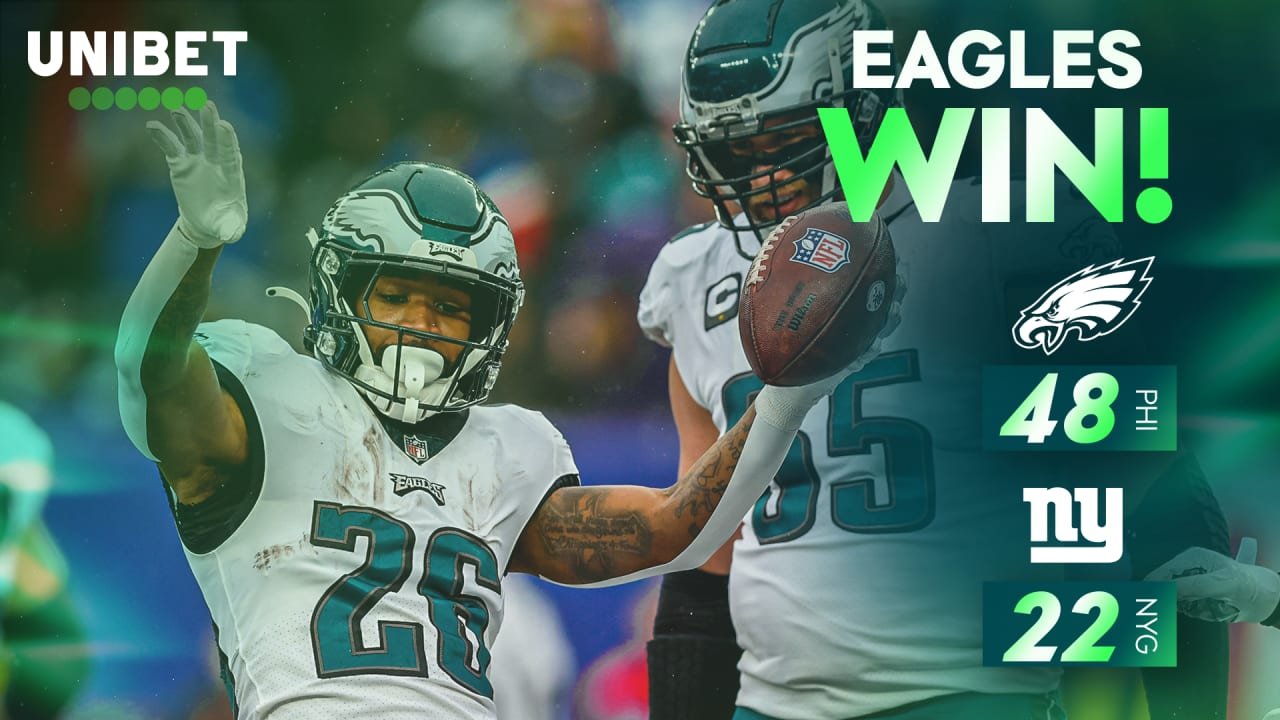
Few rivalries in the NFL carry the intensity, history, and emotional weight of the New York Giants versus the Philadelphia Eagles. This matchup is never just another game on the schedule. It is a battle shaped by decades of division fights, playoff implications, and passionate fan bases. When these two NFC East rivals collide, player performances are magnified, and statistics tell a deeper story of momentum, execution, and resilience.
This comprehensive blog explores the New York Giants vs Philadelphia Eagles match player stats, diving into offensive production, defensive dominance, special teams impact, and the individual efforts that defined the game. Rather than focusing only on final numbers, this analysis explains how those stats came to life on the field and what they reveal about both teams moving forward.
Game Overview and Rivalry Context
From the opening kickoff, the game carried a playoff-like atmosphere. The Giants entered the matchup emphasizing disciplined offense and defensive toughness, while the Eagles leaned on their explosive offense, physical offensive line, and aggressive defensive front.
Early possessions set the tone. Philadelphia pushed tempo and tested the Giants’ secondary, while New York aimed to control the clock with balanced play-calling. The statistical battle unfolded gradually, reflecting adjustments, momentum shifts, and the pressure that defines rivalry games.
By halftime, the numbers already painted a picture of contrasting approaches: Philadelphia with explosive plays and red-zone efficiency, New York with time of possession and defensive resistance.
New York Giants Offensive Player Stats Breakdown

Giants Quarterback Performance
The Giants quarterback played a critical role in maintaining offensive rhythm. His passing stats reflected efficiency rather than volume, focusing on short and intermediate throws designed to move the chains.
Completion percentage was solid, especially on third down, where accuracy helped extend drives. Passing yards accumulated steadily, with fewer deep attempts but consistent gains. Touchdown passes came from well-executed red-zone plays, while limited interceptions showed careful decision-making under pressure.
Rushing stats from the quarterback added another layer, with scrambles and designed runs contributing to first downs and keeping the Eagles’ defense honest.
Giants Running Game and Rushing Stats
The Giants’ running backs were central to the offensive strategy. Rushing attempts were spread across multiple backs, keeping the defense guessing and maintaining freshness.
Yards per carry reflected effective blocking and patience in finding lanes. Several runs gained critical yardage on early downs, setting up manageable third-down situations. Rushing touchdowns highlighted physical execution near the goal line.
Running backs also contributed in the passing game, with reception stats showing versatility and reliability.
Giants Wide Receivers and Passing Targets
Giants wide receivers posted respectable reception totals, particularly on crossing routes and quick outs. Yards after catch played a key role, turning modest completions into meaningful gains.
The leading receiver’s stat line showed consistency, while secondary targets provided timely catches to sustain drives. Drops were minimal, indicating focus and chemistry with the quarterback.
Tight ends added value as safety valves, contributing receptions on third downs and in the red zone. denver broncos vs buffalo bills match player stats
Philadelphia Eagles Offensive Player Stats Breakdown
Eagles Quarterback Command and Efficiency
The Eagles quarterback delivered a stat line that reflected confidence and control. Passing yards came from a mix of deep shots and efficient intermediate throws.
Completion percentage remained high, particularly when targeting receivers on the move. Touchdown passes highlighted timing and precision, especially against tight coverage.
Rushing stats were a major factor. Designed quarterback runs and scrambles added significant yardage, extending drives and stressing the Giants’ defensive discipline.
Eagles Rushing Attack and Ground Dominance
Philadelphia’s rushing stats underscored their physical identity. Running backs combined for strong yardage totals, particularly behind a dominant offensive line.
Average yards per carry reflected consistent gains, even when explosive plays were limited. Short-yardage success rates were high, converting critical third and fourth downs.
Rushing touchdowns emphasized control and power near the goal line.
Eagles Wide Receivers and Explosive Plays
Eagles receivers delivered impact plays throughout the game. Reception totals were balanced across top targets, preventing the Giants from focusing on a single receiver.
Deep receiving yards and yards per reception highlighted explosive capability. Several long completions shifted momentum and field position, directly influencing scoring drives.
Red-zone receiving stats showed strong chemistry and route execution.
Eagles Tight Ends and Offensive Depth
Tight ends played a complementary but important role. Their receptions often came at crucial moments, including third downs and play-action situations.
Blocking efficiency supported the run game, contributing indirectly to rushing stats and time of possession.
New York Giants Defensive Player Stats Analysis
Defensive Line Pressure and Sack Totals
The Giants’ defensive line focused on disruption. Sack numbers reflected well-timed pressures rather than constant dominance.
Quarterback hits and hurries forced quicker throws, limiting deep passing attempts. Tackles for loss highlighted penetration on running plays, particularly early in the game.
As the game progressed, snap counts increased, testing depth and stamina.
Linebacker Tackling and Coverage Stats
Giants linebackers led the team in total tackles, reflecting heavy involvement in run defense and short-zone coverage.
Solo tackles demonstrated sound fundamentals, while assisted tackles showed team pursuit. Coverage stats indicated solid performance against tight ends and running backs.
Forced fumbles and pass breakups added to defensive impact, even when turnovers were limited.
Giants Secondary Performance
The Giants’ secondary faced a challenging task against Philadelphia’s receivers. Pass deflections and contested catches reflected competitive coverage.
Interception opportunities were limited, but tight coverage helped force field goals instead of touchdowns on some drives.
Tackling efficiency in open space prevented additional yards after catch.
Philadelphia Eagles Defensive Player Stats Analysis
Defensive Line Dominance and Pressure
The Eagles’ defensive front was a major statistical factor. Sack totals and quarterback pressures reflected consistent disruption.
Run-stopping stats were particularly strong, limiting the Giants’ rushing efficiency on early downs. Tackles for loss disrupted offensive rhythm and forced longer third downs.
Rotation depth allowed sustained pressure throughout the game.
Linebacker Versatility and Blitz Impact
Eagles linebackers showed versatility through tackling, coverage, and blitzing. Total tackles were spread evenly, reflecting balanced responsibilities.
Blitz pressures contributed to hurried throws and disrupted timing. Coverage stats showed effectiveness against short routes and quarterback scrambles.
Eagles Secondary and Turnover Creation
The Eagles’ secondary emphasized ball awareness. Interceptions and pass breakups shifted momentum and created scoring opportunities.
Coverage discipline limited explosive plays, keeping yards per attempt within manageable levels.
Defensive communication reduced breakdowns, particularly in the second half.
Special Teams Player Stats and Field Position Impact
Special teams played a significant role in field position. Giants kickers delivered accurate field goals, converting scoring chances.
Punt averages reflected strategic placement, limiting return yardage. Kickoff coverage units prevented long returns, maintaining field position control.
The Eagles’ special teams matched consistency, with reliable kicking and disciplined coverage units contributing hidden yards.
Key Statistical Moments That Defined the Match
A pivotal moment came with a second-quarter turnover that shifted momentum toward Philadelphia. This change showed up immediately in field position stats and red-zone efficiency.
The Giants responded with a sustained drive highlighted by third-down conversion efficiency, narrowing the gap and keeping the game competitive.
Late-game stats emphasized execution, with time of possession, rushing attempts, and defensive stops determining the outcome.
Player Efficiency and Advanced Statistical Insights
Efficiency metrics provided deeper context. The Eagles’ offensive efficiency peaked during no-huddle drives, while the Giants excelled in controlled, methodical possessions.
Defensive efficiency varied by quarter, reflecting adjustments and fatigue. Turnover margin and red-zone efficiency proved decisive.
Snap counts highlighted reliance on key starters, particularly in the trenches.
What This Match Reveals About Both Teams
For the Giants, the stats reinforced the importance of disciplined offense, balanced play-calling, and defensive resilience. Improvements in explosive play generation could elevate future performances.
For the Eagles, the numbers confirmed their strength in physicality, depth, and offensive versatility. Consistency across units remains a defining advantage.
This matchup served as a benchmark for both teams within the NFC East race.
Frequently Asked Questions
1. Who was the standout player in the Giants vs Eagles match?
Several players stood out, particularly the quarterbacks and defensive linemen who influenced momentum.
2. Which team had better offensive stats overall?
Philadelphia showed greater explosiveness, while New York focused on efficiency and control.
3. How did quarterback rushing stats affect the game?
Quarterback mobility extended drives and stressed defensive schemes.
4. Were turnovers a deciding factor?
Yes, turnovers significantly influenced field position and scoring opportunities.
5. Which defense performed better statistically?
Philadelphia’s defense generated more pressure, while New York excelled in situational stops.
6. How important was the running game?
The running game played a key role in controlling tempo and red-zone success.
7. Did special teams impact the outcome?
Special teams influenced field position and scoring consistency.
8. How did third-down efficiency shape the match?
Third-down conversions sustained drives and determined time of possession.
9. What do the stats reveal about team depth?
Philadelphia’s depth showed more consistency across rotations.
10. What can fans learn from this rivalry matchup?
The stats highlight preparation, adaptability, and execution under pressure.
Conclusion
The New York Giants vs Philadelphia Eagles match player stats reveal the full story of a classic NFL rivalry defined by physicality, strategy, and emotional intensity. Philadelphia’s explosive offense, defensive pressure, and depth met New York’s disciplined execution and resilience in a game shaped by key moments and adjustments.
Beyond the final score, the player statistics offer valuable insight into team identity, strengths, and areas for improvement. In rivalry games like this, every yard, tackle, and decision matters. The numbers not only explain what happened on the field but also hint at what lies ahead as both teams continue their pursuit of success in a fiercely competitive division. techtimebsiness.co.uk