Yvette Amos: The Viral BBC Interview That Turned an Ordinary Moment Into Internet History
Yvette Amos: The Viral BBC Interview That Turned an Ordinary Moment Into Internet History

The name Yvette Amos may not belong to a celebrity, politician, or entertainer, but it quickly became one of the most searched names on the internet after an unexpected viral moment during the COVID-19 lockdown era. What started as a serious BBC Wales interview about unemployment and public health turned into a global meme phenomenon, proving once again how unpredictable the internet can be.
This article takes a deep dive into who Yvette Amos is, what actually happened during that infamous interview, why the moment went viral, and how it reflects broader themes around media, privacy, and internet culture. Written with clarity and insight, this is a complete look at the story behind the name.
Who Is Yvette Amos?
Yvette Amos is a private individual from Wales who unexpectedly found herself at the center of global attention in early 2021. She appeared on a BBC Wales live interview to discuss the economic impact of COVID-19, particularly how lockdowns affected employment and livelihoods. At the time, Amos was speaking as an everyday citizen, not as a public figure or media personality.
Before the interview, Yvette Amos had no notable public profile. She was not a journalist, influencer, or celebrity. This is an important point, because it underscores how sudden and overwhelming viral fame can be for ordinary people who never sought the spotlight.
Her calm demeanor and thoughtful responses during the interview showed someone focused on the topic at hand. Unfortunately, viewers’ attention was drawn elsewhere, shifting the narrative away from the important social issue she was discussing.
The BBC Wales Interview That Sparked Viral Attention
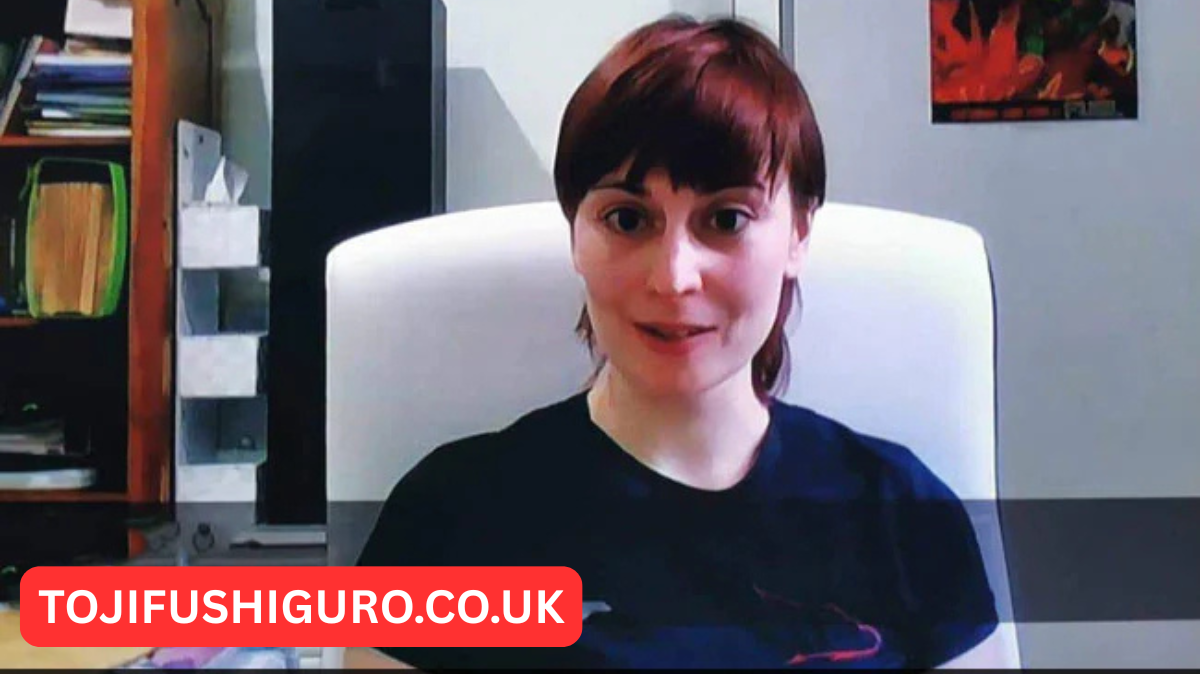
The BBC Wales interview featuring Yvette Amos was meant to be a straightforward remote segment, a common format during the pandemic. Like many interviews at the time, it took place via video call from her home, with bookshelves visible in the background.
Shortly after the broadcast aired, viewers noticed an object on one of the shelves behind Amos that appeared to resemble an adult novelty item. The object was not mentioned during the interview, nor acknowledged by Amos or the BBC at the time. However, social media users quickly latched onto it.
Clips and screenshots of the interview began circulating on platforms like Twitter, Reddit, and Facebook. The contrast between the serious subject matter and the unexpected background detail fueled the moment’s virality. Within hours, Yvette Amos became a trending name across multiple countries.
How Social Media Turned a Moment Into a Meme
The internet has a long history of turning small, accidental moments into global talking points, and the case of Yvette Amos fits that pattern perfectly. Social media thrives on visual surprises, especially those that appear during serious or formal settings.
Memes, jokes, and commentary flooded timelines. While some users approached the situation humorously, others raised concerns about privacy and dignity. Amos herself had not invited this level of scrutiny, nor had she intended for anything in her background to become the focus of the interview.
This viral cycle highlights how quickly context can be lost online. A discussion about unemployment and pandemic hardship was overshadowed by a background detail, illustrating how digital audiences often prioritize novelty over substance.
BBC’s Response and Media Ethics
The BBC did not issue a formal apology directly related to the incident, largely because no explicit error occurred during the broadcast. The interview itself complied with broadcasting standards, and the object in question was not clearly identified during the live segment.
However, the situation sparked broader conversations about media ethics and the responsibility of both broadcasters and viewers. Should production teams be more vigilant about remote interview backgrounds? Should audiences be more mindful when sharing viral content involving private individuals?
The story of Yvette Amos became a case study in how modern broadcasting intersects with internet culture, especially in an era where live television clips can be dissected endlessly online.
Impact on Yvette Amos’s Personal Life
While Yvette Amos did not actively engage with the viral attention, reports suggest that the sudden fame was overwhelming. Becoming an internet talking point overnight can be emotionally taxing, especially when the attention is rooted in humor rather than respect.
Unlike celebrities who are media-trained, private individuals often lack the tools to manage public scrutiny. The experience likely disrupted Amos’s personal life, even if only temporarily. This aspect of the story is often overlooked, but it is one of the most important lessons to take from the incident.
The internet moves quickly, but the effects on real people can linger far longer than a trending hashtag.
Why the Yvette Amos Moment Still Resonates
Years later, people still search for Yvette Amos, not because of new developments, but because the moment represents something familiar in digital culture. It reflects the unpredictability of live media, the sharp eye of online audiences, and the speed at which attention can shift.
The incident also serves as a reminder of how work-from-home environments blurred personal and professional boundaries during the pandemic. Millions of people were suddenly broadcasting from their living rooms, bedrooms, and kitchens, spaces never meant for public viewing.
In that sense, Yvette Amos became an accidental symbol of a unique historical period, when the world adapted to remote communication almost overnight.
Lessons From the Yvette Amos Viral Interview
There are several takeaways from the story of Yvette Amos. First, it highlights the importance of awareness during remote appearances, especially in professional or public contexts. Second, it encourages empathy from audiences who consume viral content involving private individuals.
Most importantly, it reminds us that behind every meme or viral clip is a real person. Amos participated in the interview to share her experience during a difficult time, not to become an internet sensation.
Final Thoughts on Yvette Amos
The story of Yvette Amos is not about scandal or controversy, but about how easily narratives can be reshaped online. A single overlooked detail transformed a meaningful conversation into a viral spectacle, for better or worse.
While the internet has largely moved on, the moment remains a powerful example of modern media dynamics. Yvette Amos’s experience serves as a reminder to approach viral content with curiosity, but also with compassion.
In the end, Yvette Amos didn’t set out to make history—but in a strange and unexpected way, she became a memorable part of internet culture.