

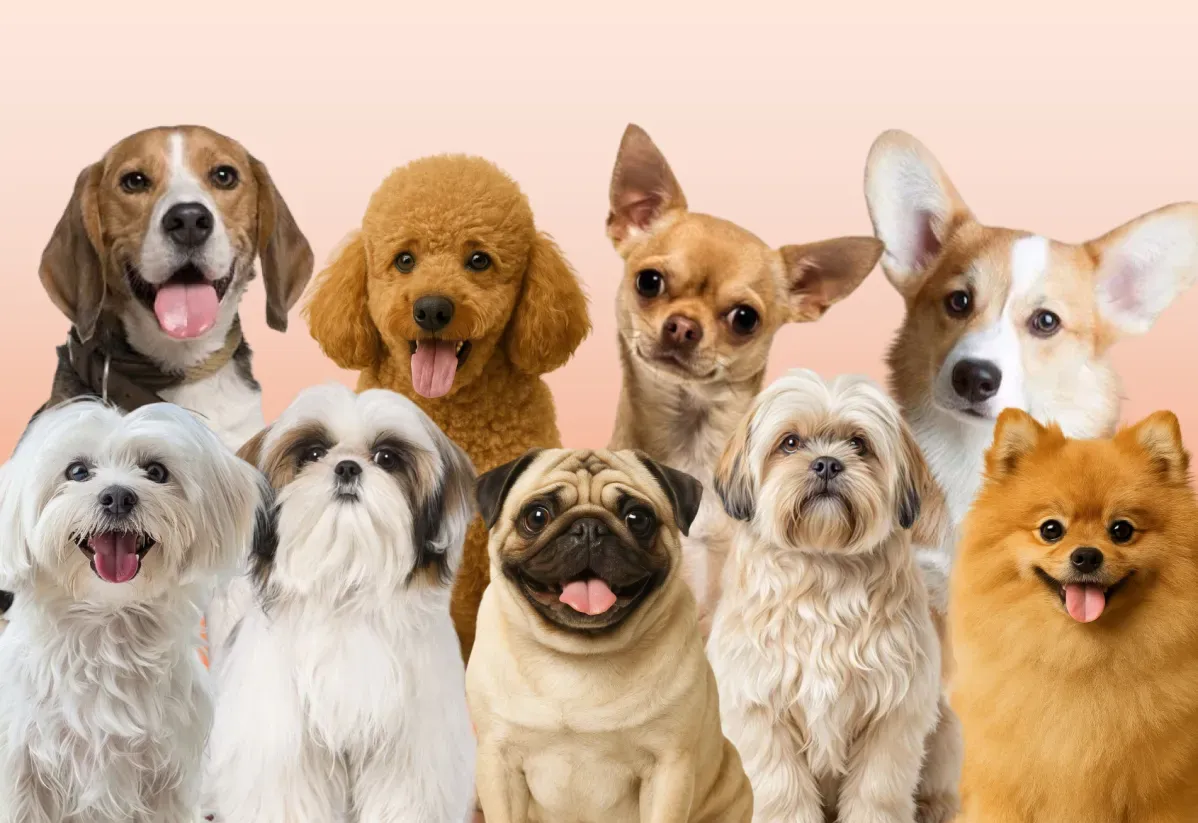
Small dog breeds have captured the hearts of millions around the world—and it’s easy to see why. With their compact size, adorable looks, and big personalities, these tiny companions fit perfectly into a variety of lifestyles. Whether you live in a cozy apartment, have a busy schedule, or simply prefer a dog that’s easy to carry and care for, small breeds offer countless advantages.
In this guide, we’ll explore some of the most popular small dog breeds, their characteristics, care needs, and why they might be the perfect addition to your family.
Why Choose a Small Dog?
Before diving into specific breeds, it’s worth understanding why small dogs are so popular.
1. Ideal for Small Spaces
Small dogs are perfect for apartments and urban living. They don’t need as much room to roam as larger breeds, making them easier to accommodate.
2. Lower Maintenance Costs
Generally, smaller dogs eat less, require fewer supplies, and can be less expensive to care for overall.
3. Travel-Friendly
Their size makes them easier to transport, whether you’re heading to the vet, going on vacation, or just visiting friends.
4. Long Lifespan
Many small dog breeds tend to live longer than larger dogs, often reaching 12–16 years or more.
Top Popular Small Dog Breeds
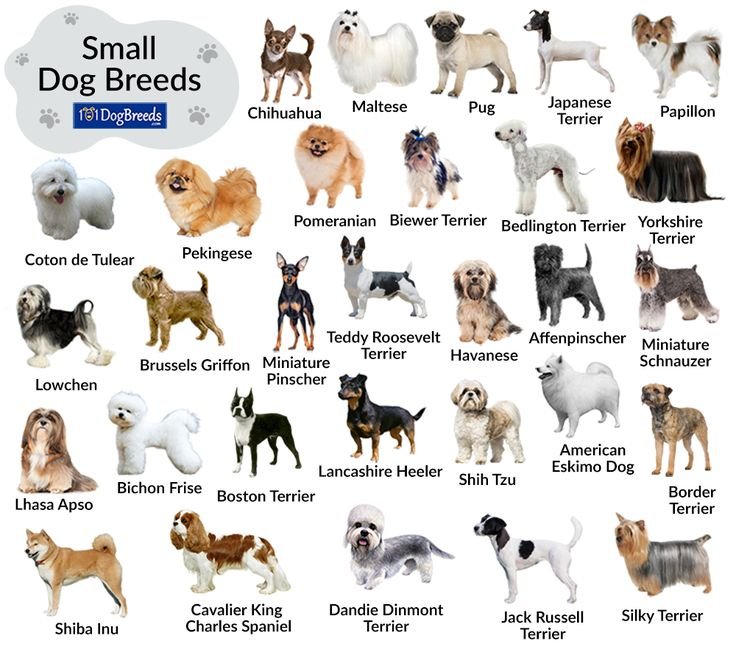
Let’s take a closer look at some of the most beloved small dog breeds.
1. Chihuahua
The Chihuahua is one of the smallest dog breeds in the world, but don’t let its size fool you—this breed has a huge personality.
Key Traits:
- Weight: 2–6 pounds
- Temperament: Loyal, bold, alert
- Lifespan: 14–16 years
Chihuahuas are fiercely loyal and often form strong bonds with their owners. They are great watchdogs and will alert you to any unusual activity. However, they can be a bit feisty and may require proper training and socialization.
2. Pomeranian
With their fluffy coats and fox-like faces, Pomeranians are irresistibly cute.
Key Traits:
- Weight: 3–7 pounds
- Temperament: Energetic, curious, playful
- Lifespan: 12–16 years
Pomeranians are lively and intelligent. They love attention and enjoy being the center of the spotlight. Regular grooming is essential to maintain their thick double coat.
3. Yorkshire Terrier
Commonly known as Yorkies, these dogs are both elegant and energetic.
Key Traits:
- Weight: Around 7 pounds
- Temperament: Affectionate, bold, intelligent
- Lifespan: 13–15 years
Yorkshire Terriers are excellent companions and are known for their silky coats. Despite their small size, they are quite brave and can be surprisingly protective.
4. Shih Tzu
Shih Tzus are affectionate lap dogs that were originally bred for royalty.
Key Traits:
- Weight: 9–16 pounds
- Temperament: Friendly, outgoing, loving
- Lifespan: 10–16 years
These dogs are known for their luxurious coats and charming personalities. They thrive on human companionship and are great for families.
5. Dachshund
Often called “wiener dogs,” Dachshunds are easily recognizable due to their long bodies and short legs.
Key Traits:
- Weight: 11–32 pounds (miniature versions are smaller)
- Temperament: Curious, brave, stubborn
- Lifespan: 12–16 years
Dachshunds were originally bred for hunting, which explains their strong prey drive. They are playful and loyal but can be a bit stubborn during training.
6. French Bulldog
French Bulldogs have become extremely popular in recent years.
Key Traits:
- Weight: 16–28 pounds
- Temperament: Easygoing, affectionate, playful
- Lifespan: 10–12 years
With their bat-like ears and compact build, French Bulldogs are both adorable and adaptable. They are low-energy dogs, making them perfect for apartment living.
7. Maltese
The Maltese is known for its long, flowing white coat and gentle nature.
Key Traits:
- Weight: Under 7 pounds
- Temperament: Gentle, playful, affectionate
- Lifespan: 12–15 years
Maltese dogs are great companions and are especially well-suited for those looking for a loving lap dog. Regular grooming is necessary to keep their coat in top condition.
8. Pug
Pugs are charming, wrinkly-faced dogs with big personalities.
Key Traits:
- Weight: 14–18 pounds
- Temperament: Friendly, humorous, loving
- Lifespan: 12–15 years
Pugs are known for their playful and affectionate nature. They love being around people and are excellent family pets. However, they may require special care due to their short snouts.
9. Miniature Pinscher
Often mistaken for a small Doberman, the Miniature Pinscher is a breed of its own.
Key Traits:
- Weight: 8–12 pounds
- Temperament: Energetic, fearless, alert
- Lifespan: 12–16 years
These dogs are lively and confident. They require regular exercise and mental stimulation to stay happy.
10. Boston Terrier
Boston Terriers are friendly and easygoing companions.
Key Traits:
- Weight: 12–25 pounds
- Temperament: Intelligent, friendly, adaptable
- Lifespan: 11–13 years
They are known as “American Gentlemen” due to their tuxedo-like markings and polite demeanor. Boston Terriers are great for both families and individuals.
How to Choose the Right Small Dog Breed
Selecting the perfect dog depends on your lifestyle, preferences, and environment.
Consider Your Living Space
If you live in an apartment, breeds like French Bulldogs or Shih Tzus may be ideal.
Activity Level
Some small dogs are highly energetic (like Pomeranians), while others are more relaxed (like Pugs).
Grooming Needs
Breeds like Maltese and Yorkshire Terriers require regular grooming, while others have lower maintenance coats.
Temperament
If you have children or other pets, look for breeds known for being friendly and adaptable.
Caring for Small Dog Breeds
Owning a small dog comes with its own set of responsibilities.
1. Nutrition
Feed high-quality dog food suitable for small breeds. Portion control is important to prevent obesity.
2. Exercise
Even small dogs need daily exercise. Short walks and playtime are usually sufficient.
3. Training
Start training early to prevent behavioral issues. Small dogs can sometimes develop “small dog syndrome” if not properly trained.
4. Health Care
Regular vet visits, vaccinations, and dental care are essential for maintaining your dog’s health.
Pros and Cons of Small Dog Breeds
Pros:
- Easy to handle and transport
- Suitable for small homes
- Generally longer lifespan
- Lower food consumption
Cons:
- Can be fragile
- May bark more frequently
- Some breeds require frequent grooming
- Prone to certain health issues
Final Thoughts
Small dog breeds offer an incredible combination of companionship, charm, and convenience. Whether you’re drawn to the bold personality of a Chihuahua, the fluffy appeal of a Pomeranian, or the laid-back nature of a French Bulldog, there’s a small dog out there for everyone.
Before bringing a dog home, take the time to research and understand the breed’s needs. A well-matched dog can bring years of joy, love, and unforgettable moments into your life.