

Living off the grid is no longer just a dream for survivalists or remote adventurers—it has become a practical lifestyle choice for people seeking freedom, sustainability, and independence. Whether you want to reduce your reliance on public utilities, lower your living costs, or live closer to nature, off-grid living requires careful planning and the right set of essentials.
In this guide, we’ll walk you through everything you need to successfully transition into off-grid living, from power and water systems to food, shelter, and safety.
What is Off-Grid Living?
Off-grid living means disconnecting from public utilities such as electricity, water supply, and sewage systems. Instead, you generate your own energy, source your own water, manage your waste, and often grow your own food.
While it sounds simple in theory, the reality requires a combination of skills, tools, and systems to maintain a comfortable and sustainable lifestyle.
1. Reliable Power Source
Electricity is one of the most critical components of modern off-grid living. Without it, basic tasks like lighting, cooking, and communication become difficult.
Solar Power Systems
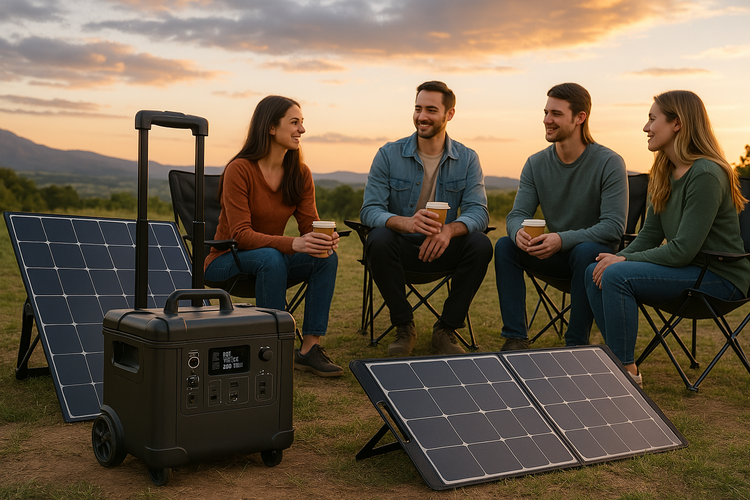
Solar energy is the most popular option for off-grid homes. A complete solar setup includes:
- Solar panels
- Charge controller
- Battery storage system
- Inverter
Solar panels capture sunlight and convert it into electricity, which is stored in batteries for use during the night or cloudy days.
Alternative Energy Options
Depending on your location, you can also consider:
- Wind turbines (ideal for windy areas)
- Micro-hydro systems (if you have access to flowing water)
- Backup generators (diesel or gas-powered)
Having a backup energy source ensures reliability during emergencies.
2. Water Supply System
Water is essential for survival, so securing a clean and consistent water source is a top priority.
Common Water Sources
- Wells (deep or shallow)
- Rainwater harvesting systems
- Natural sources like rivers or springs
Water Storage & Filtration
Collecting water is only half the job—you must also ensure it is safe to drink. Essential components include:
- Storage tanks
- Water filters (carbon filters, UV purifiers)
- Boiling systems for purification
A proper filtration system protects you from harmful bacteria and contaminants.
3. Food Production and Storage
Growing your own food is a major part of off-grid living. It not only reduces expenses but also ensures food security.
Gardening and Farming
Start with:
- Vegetable gardens
- Fruit trees
- Herbs
If you have enough space, consider raising livestock such as chickens, goats, or cows.
Food Preservation
Since you won’t always have access to fresh food, preservation is key:
- Canning
- Dehydrating
- Freezing (if power allows)
- Root cellars for natural storage
Learning these techniques helps you store food for months or even years.
4. Shelter and Housing
Your shelter must be durable, energy-efficient, and suitable for your environment.
Types of Off-Grid Homes
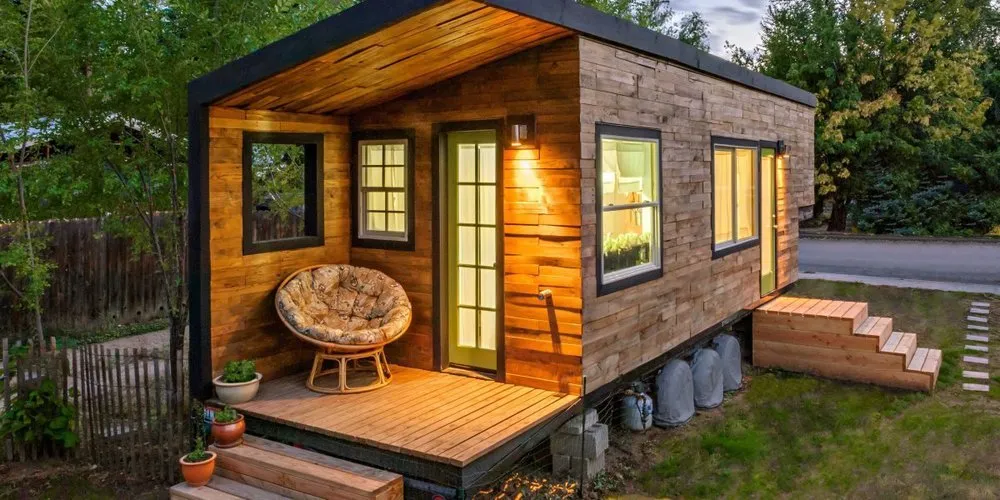
- Cabins
- Tiny homes
- Earthships
- Container homes
Insulation and Design
Proper insulation reduces energy consumption and keeps your home comfortable year-round. Consider:
- Thermal insulation
- Natural ventilation
- Strategic window placement for sunlight
A well-designed home minimizes your reliance on external resources.
5. Waste Management System
Without municipal sewage systems, you must manage waste responsibly.
Composting Toilets
These are eco-friendly and convert human waste into compost.
Greywater Systems
Water from sinks and showers can be reused for irrigation.
Trash Management
Reduce waste by:
- Recycling
- Composting organic materials
- Avoiding non-biodegradable products
Efficient waste management keeps your environment clean and sustainable.
6. Heating and Cooking Solutions
Staying warm and preparing food are daily necessities.
Heating Options
- Wood stoves
- Propane heaters
- Solar heating systems
Cooking Methods
- Gas stoves
- Solar ovens
- Wood-fired cooking
Wood stoves are particularly popular because they serve both heating and cooking purposes.
7. Communication and Connectivity
Even off the grid, staying connected can be important for safety and convenience.
Options Include:
- Satellite internet
- Mobile signal boosters
- Two-way radios for remote areas
Having reliable communication ensures you can reach help if needed.
8. Tools and Equipment
Off-grid living requires hands-on work, so having the right tools is essential.
Basic Tools
- Hammer, saw, drills
- Shovels and gardening tools
- Repair kits
Advanced Equipment
- Chainsaws
- Water pumps
- Power tools (solar-powered if possible)
Investing in quality tools saves time and effort in the long run.
9. Safety and Security
Living remotely means you are responsible for your own safety.
First Aid and Medical Supplies
Always keep:
- First aid kits
- Essential medications
- Emergency supplies
Security Measures
- Fencing
- Motion lights
- Cameras or alarms (if power allows)
Preparedness is key to handling emergencies effectively.
10. Financial and Legal Considerations
Before going off-grid, it’s important to understand the legal and financial aspects.
Land Regulations
Check local laws regarding:
- Building codes
- Water usage rights
- Energy systems
Budget Planning
Initial setup costs can be high, including:
- Land purchase
- Solar system installation
- Construction
However, long-term savings often outweigh these initial expenses.
11. Skills You Need to Learn
Off-grid living is as much about skills as it is about tools.
Essential Skills
- Gardening and farming
- Basic construction
- Electrical and plumbing knowledge
- Food preservation
- Problem-solving and adaptability
The more skills you develop, the more self-sufficient you become.
12. Mental Preparedness
Living off-grid can be rewarding, but it also comes with challenges.
Challenges Include:
- Isolation
- Physical labor
- Unpredictable weather conditions
Benefits:
- Freedom and independence
- Lower living costs
- Closer connection to nature
Being mentally prepared helps you adapt and thrive in this lifestyle.
Conclusion
Off-grid living is a fulfilling and sustainable way of life, but it requires careful planning, commitment, and the right essentials. From generating your own power and sourcing water to growing food and managing waste, every aspect of daily living becomes a hands-on experience.
By investing in the right systems and developing essential skills, you can create a self-sufficient lifestyle that offers freedom, resilience, and a deeper connection to the environment.
Whether you’re planning to go fully off-grid or simply want to become more independent, starting with these essentials will set you on the right path. see more